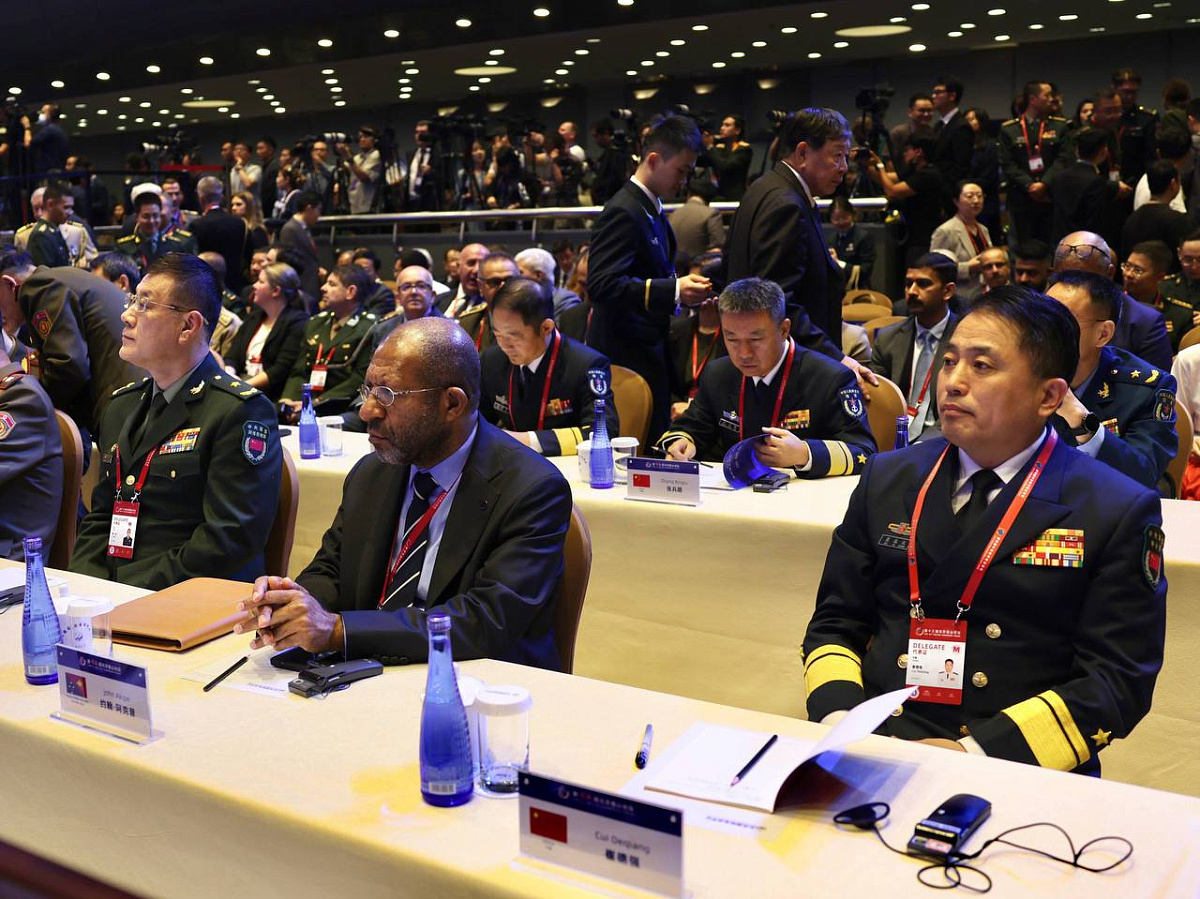
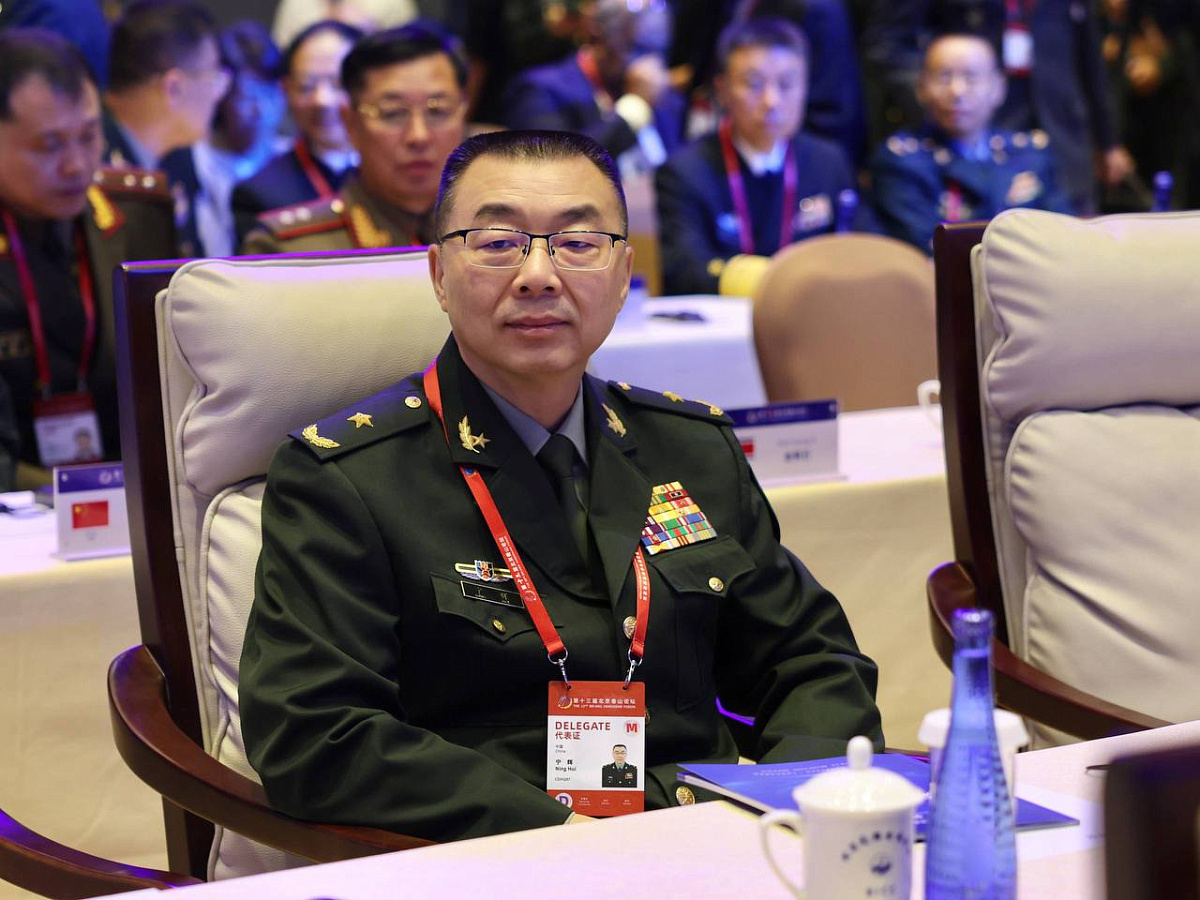
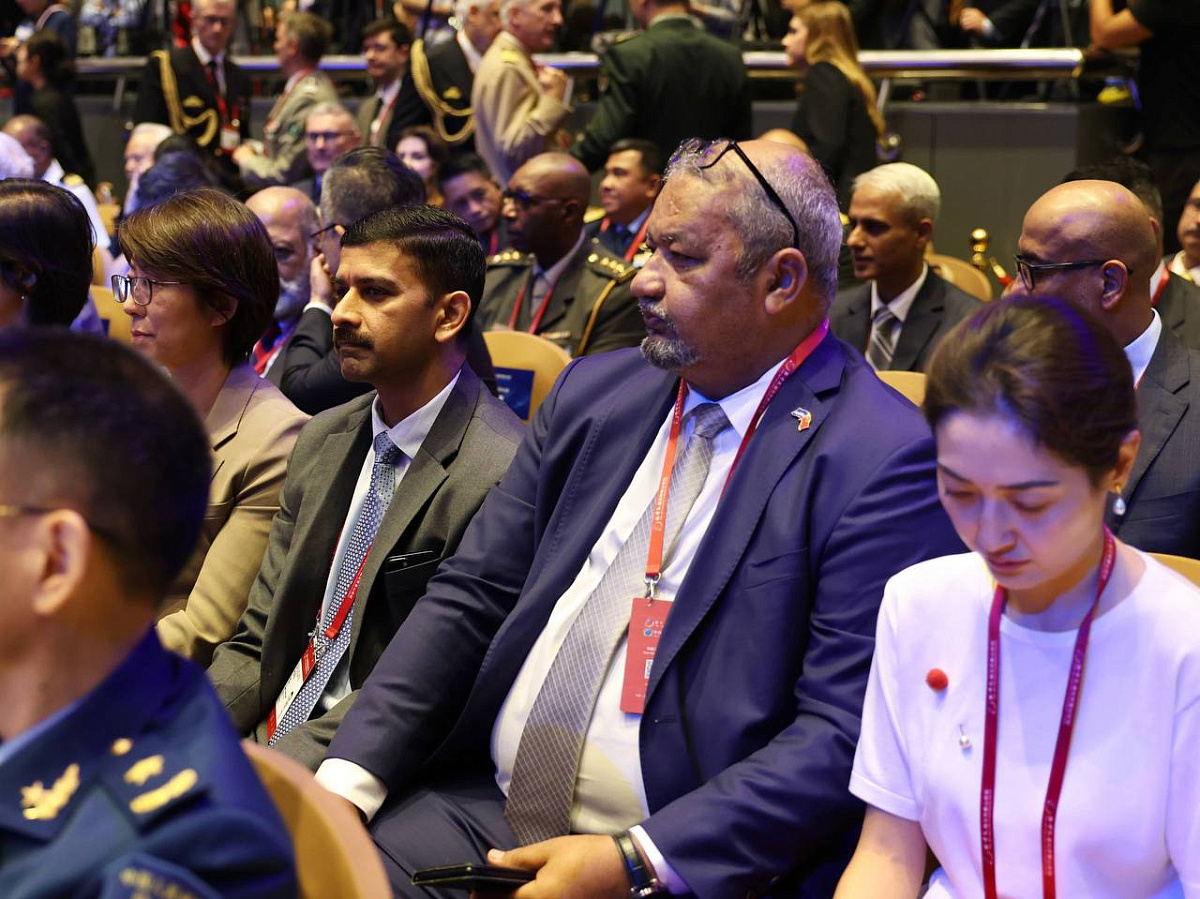
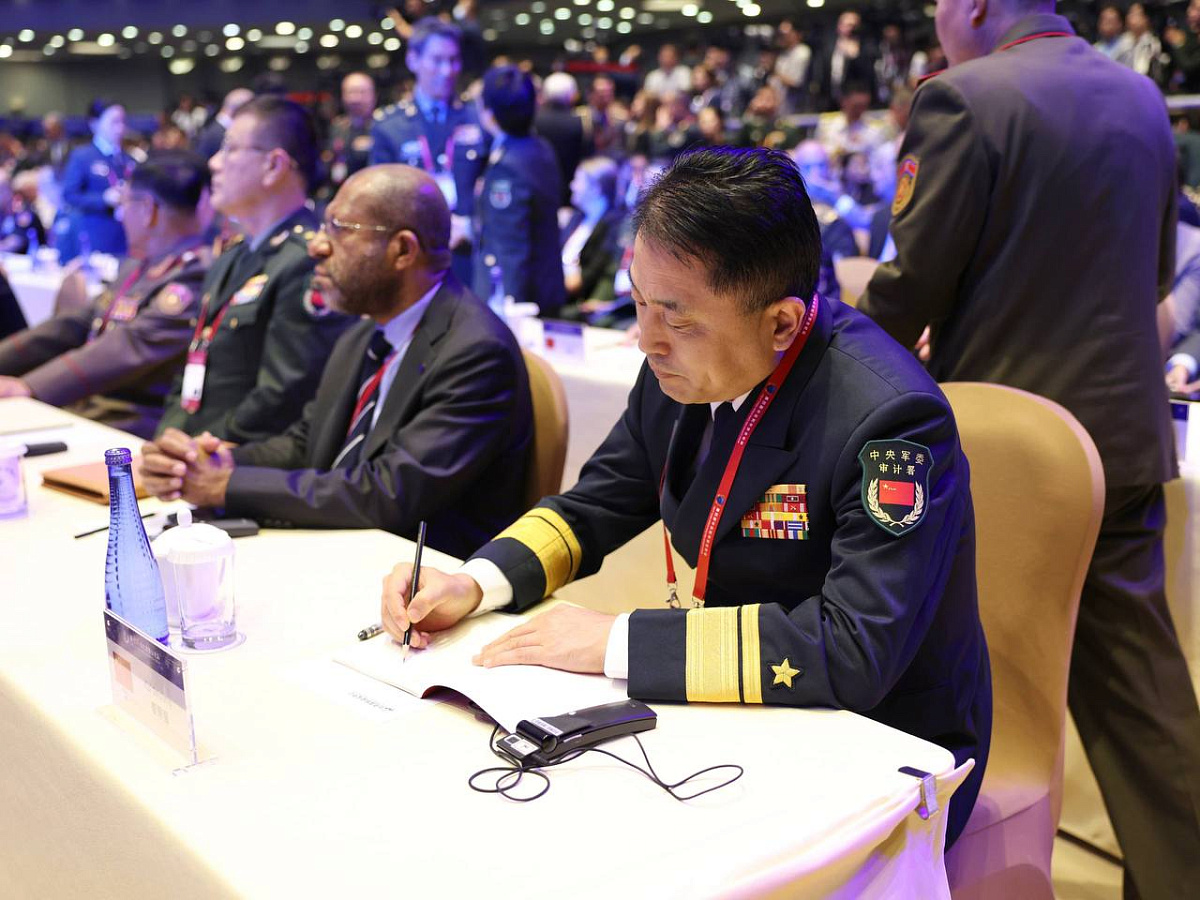
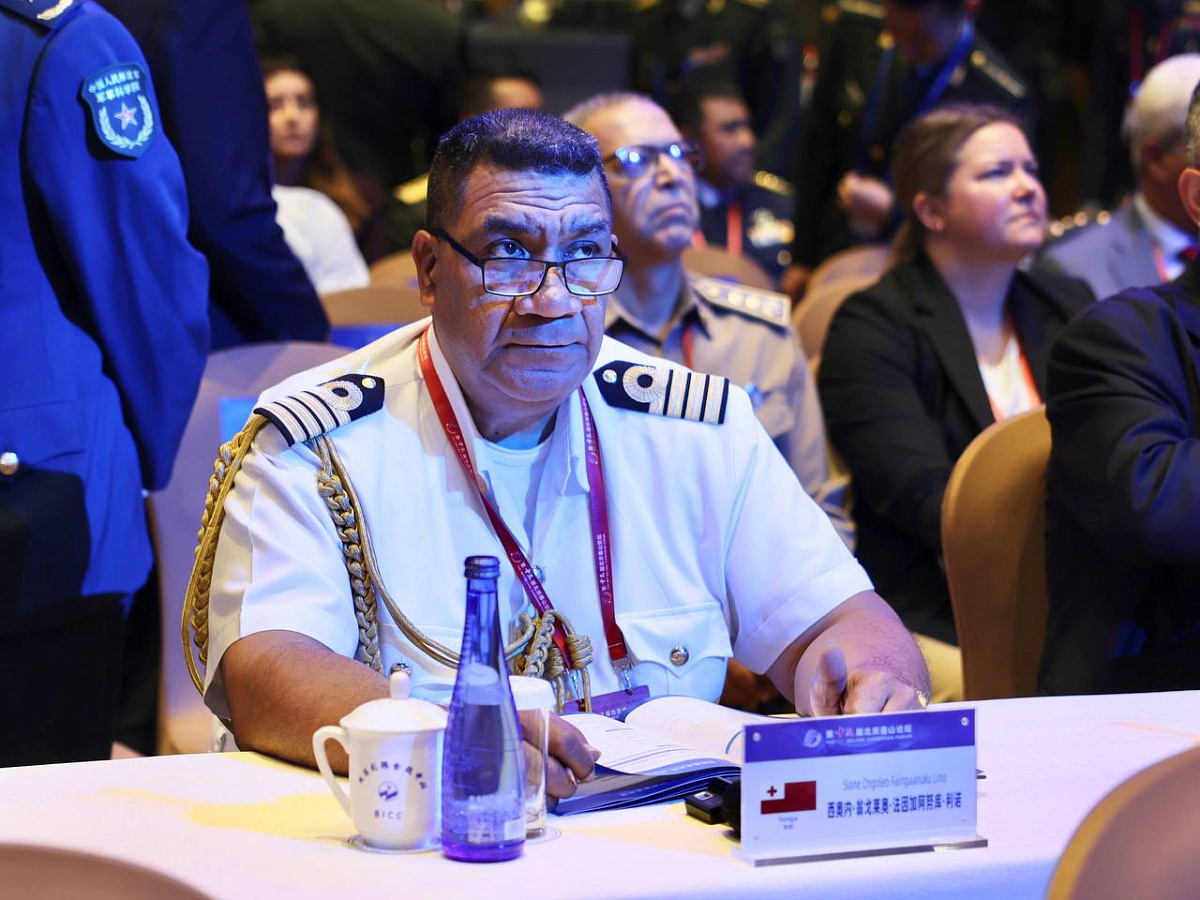
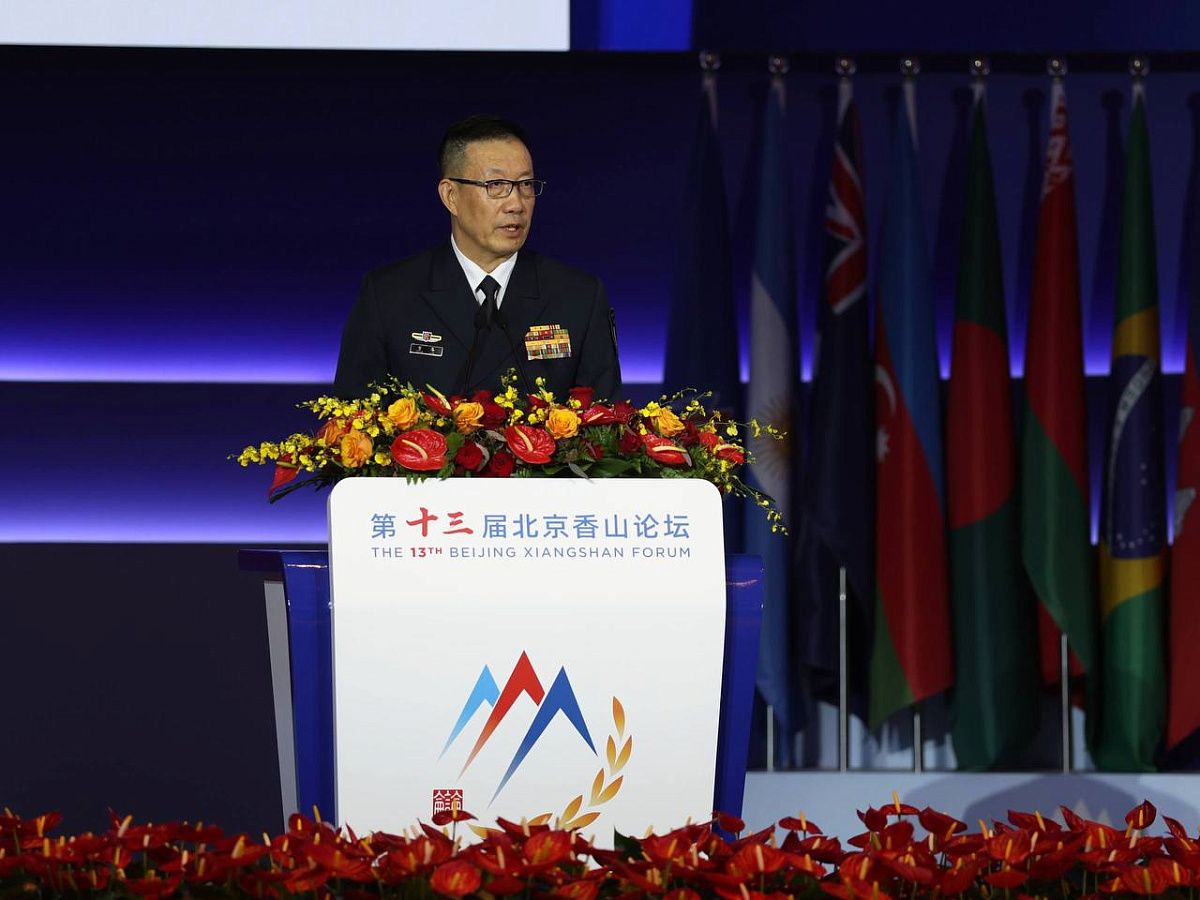
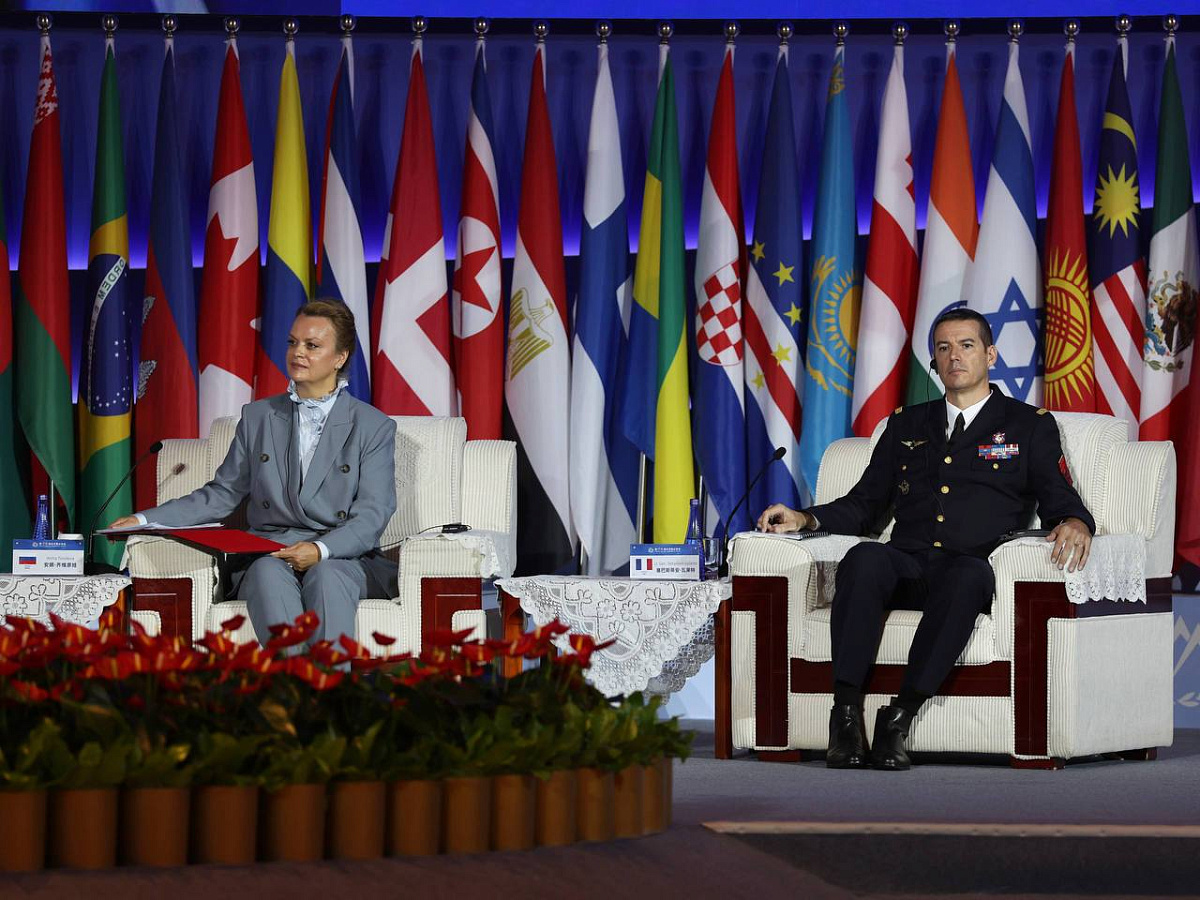
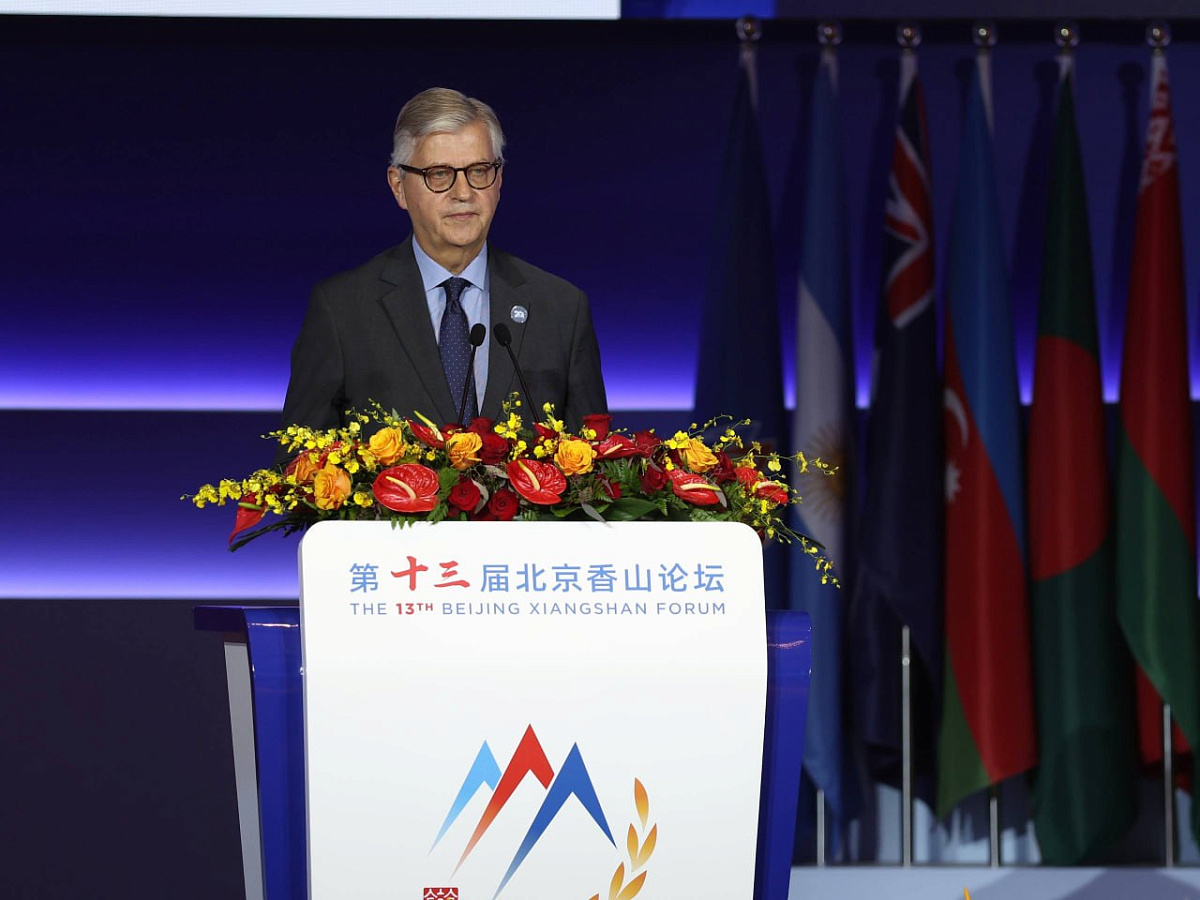
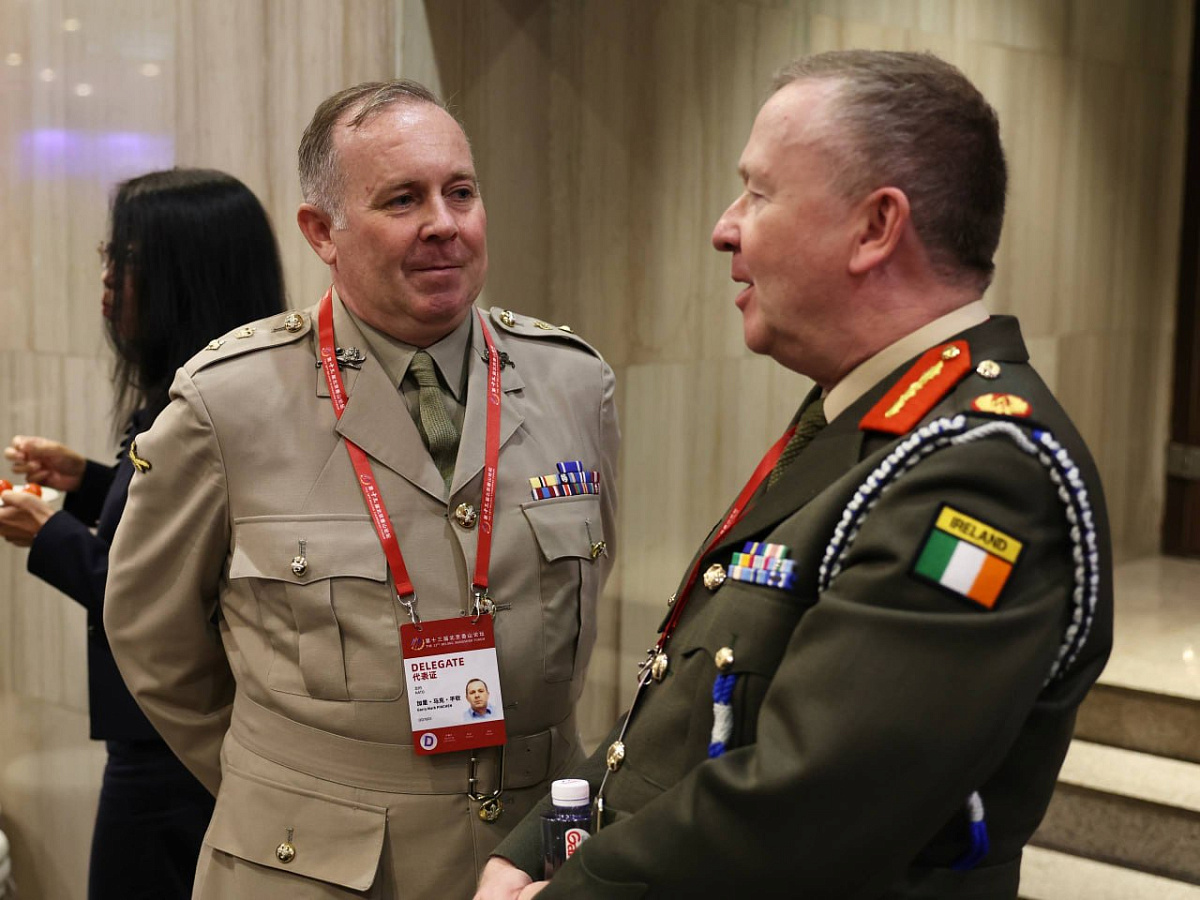
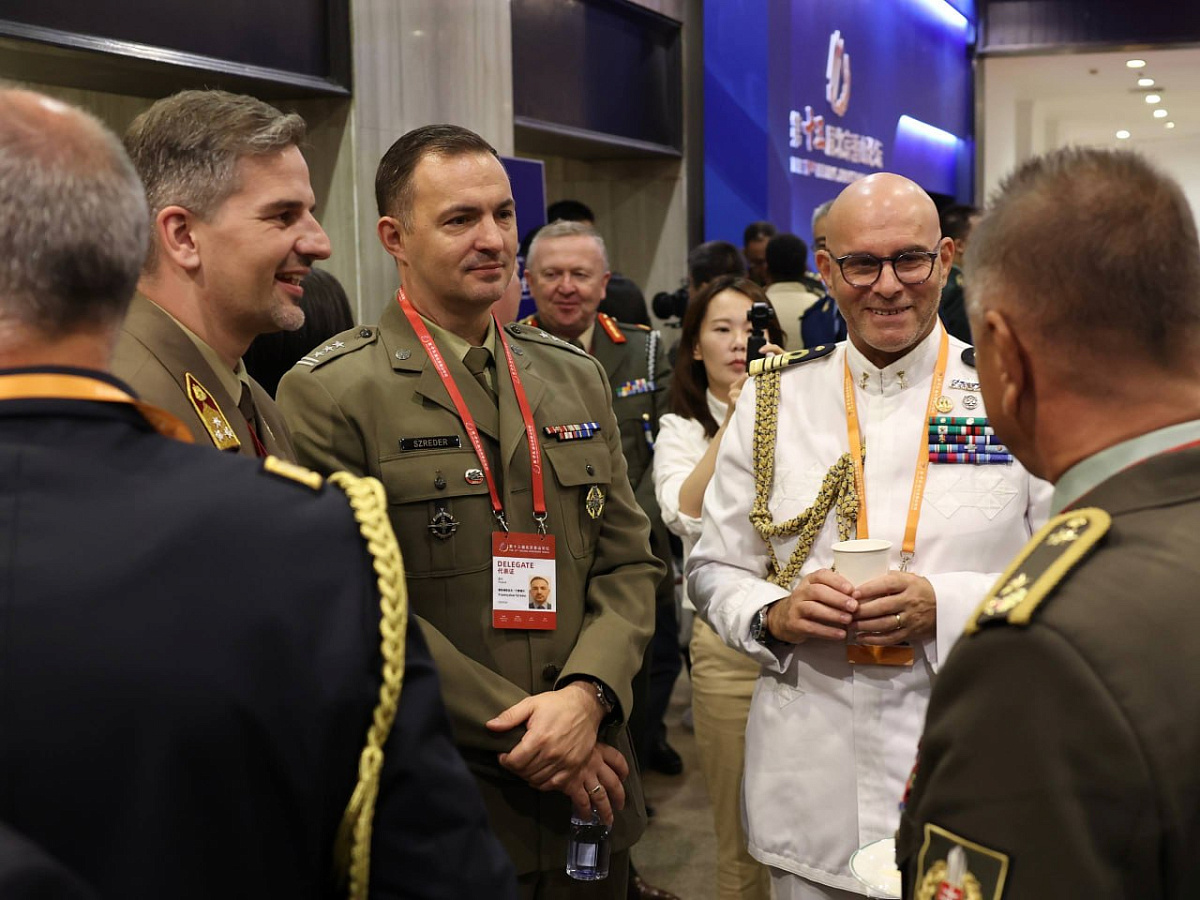
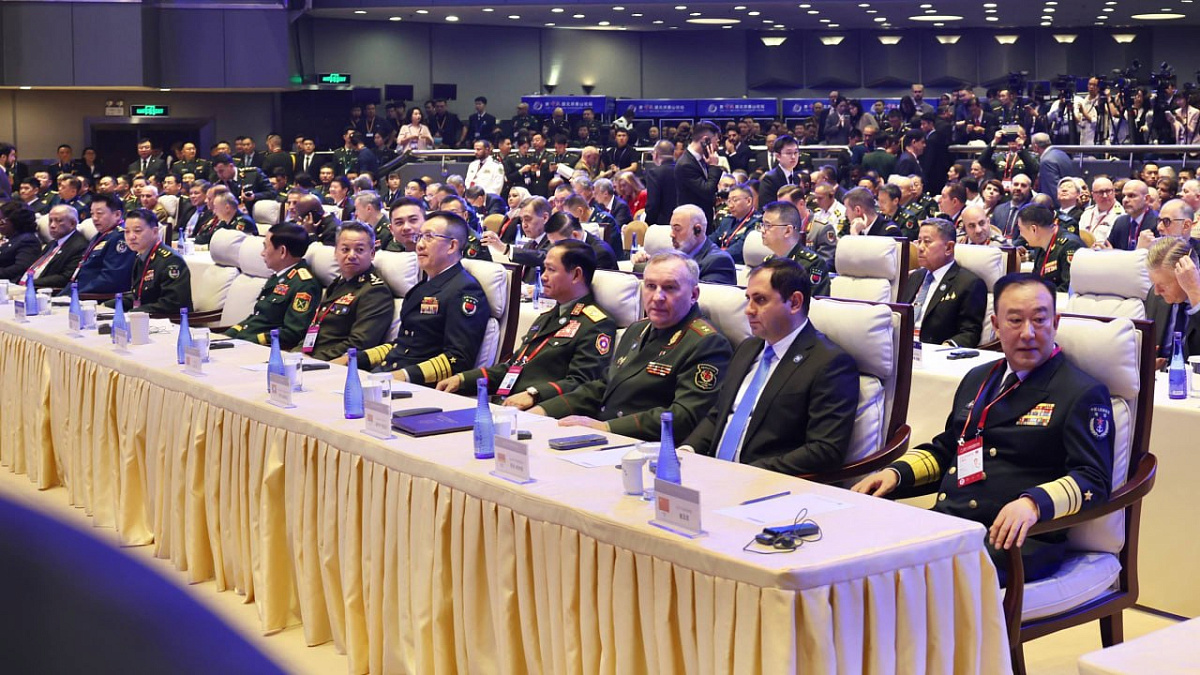
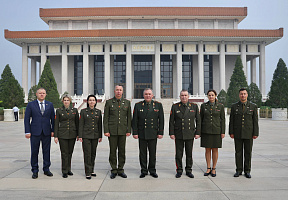
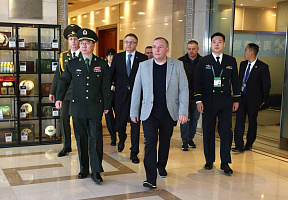
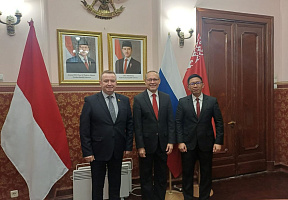
13th Xiangshan International Forum on Security Underway in Beijing
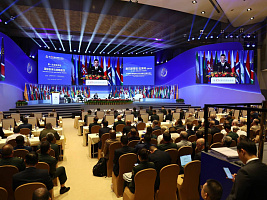
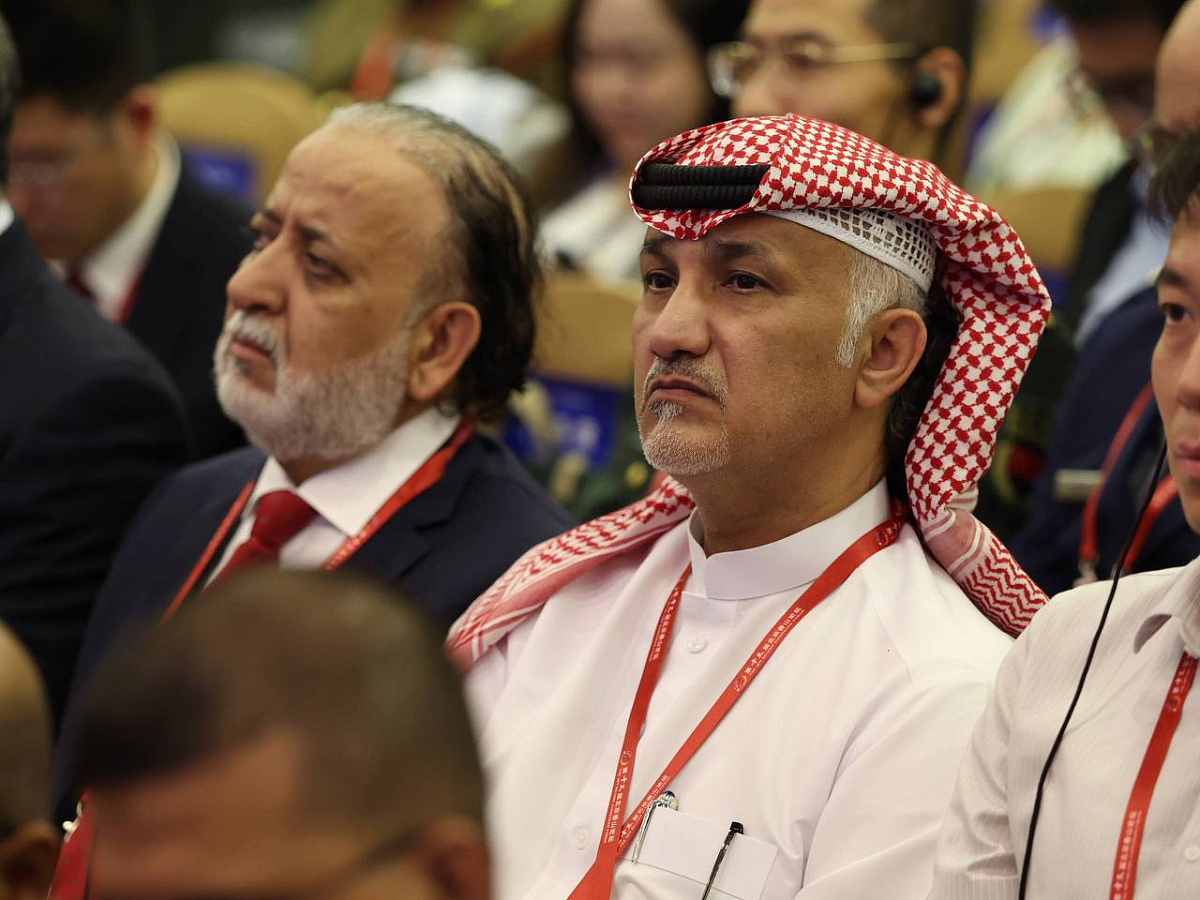
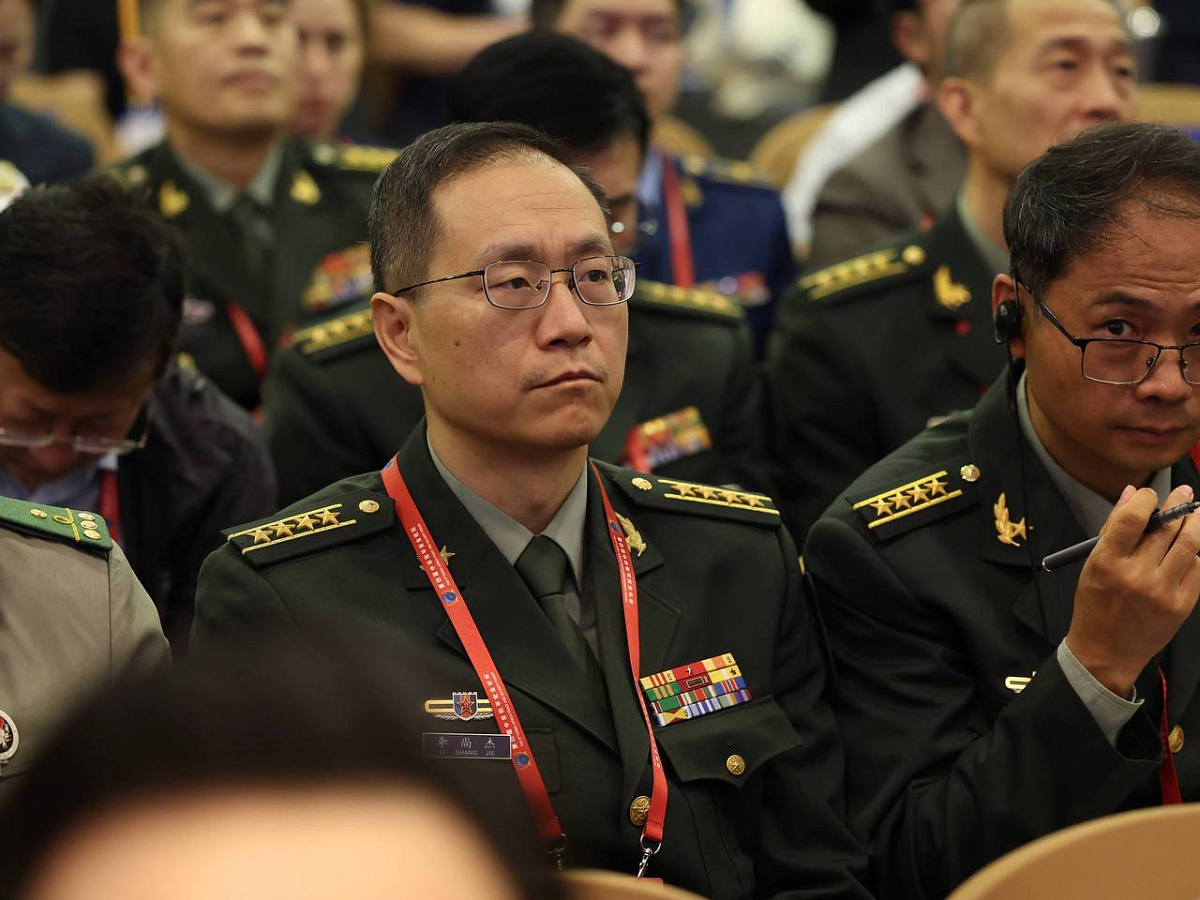
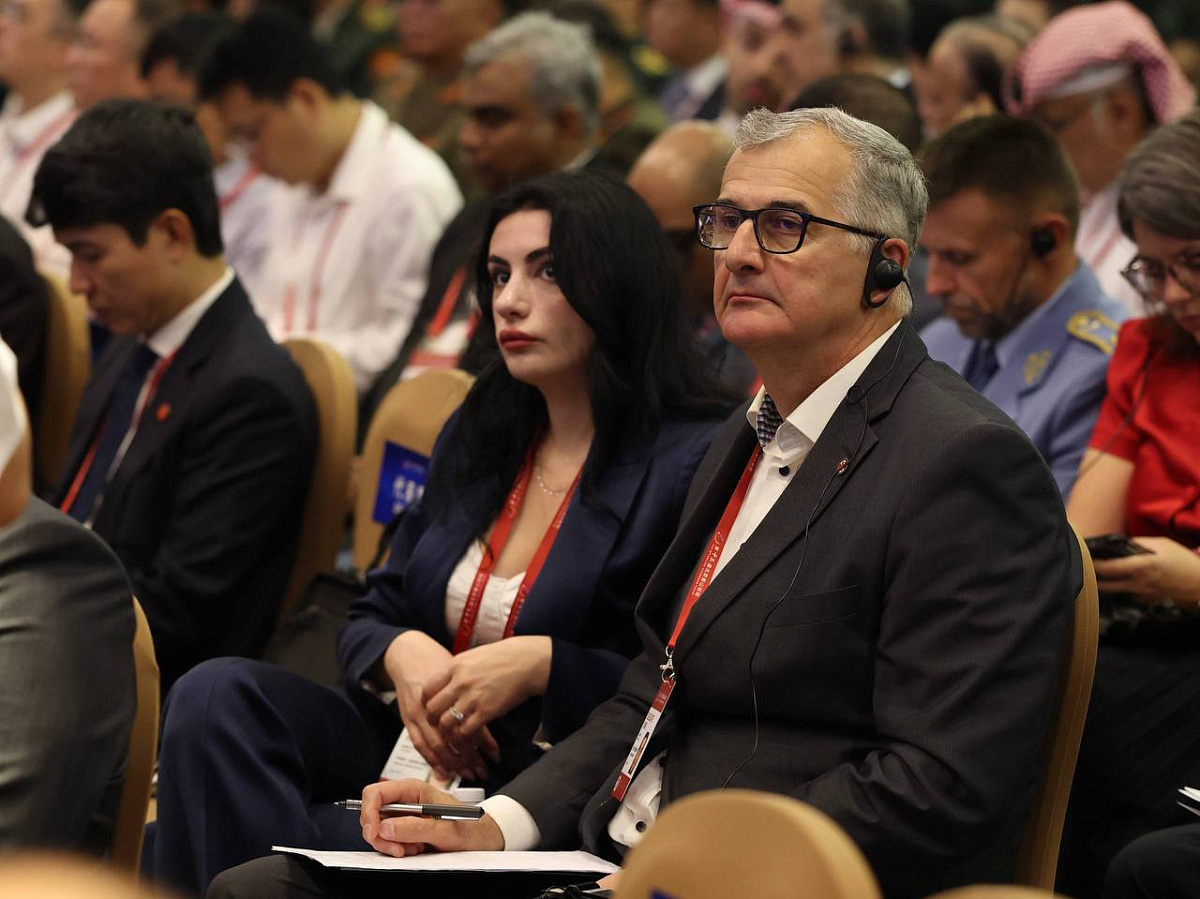
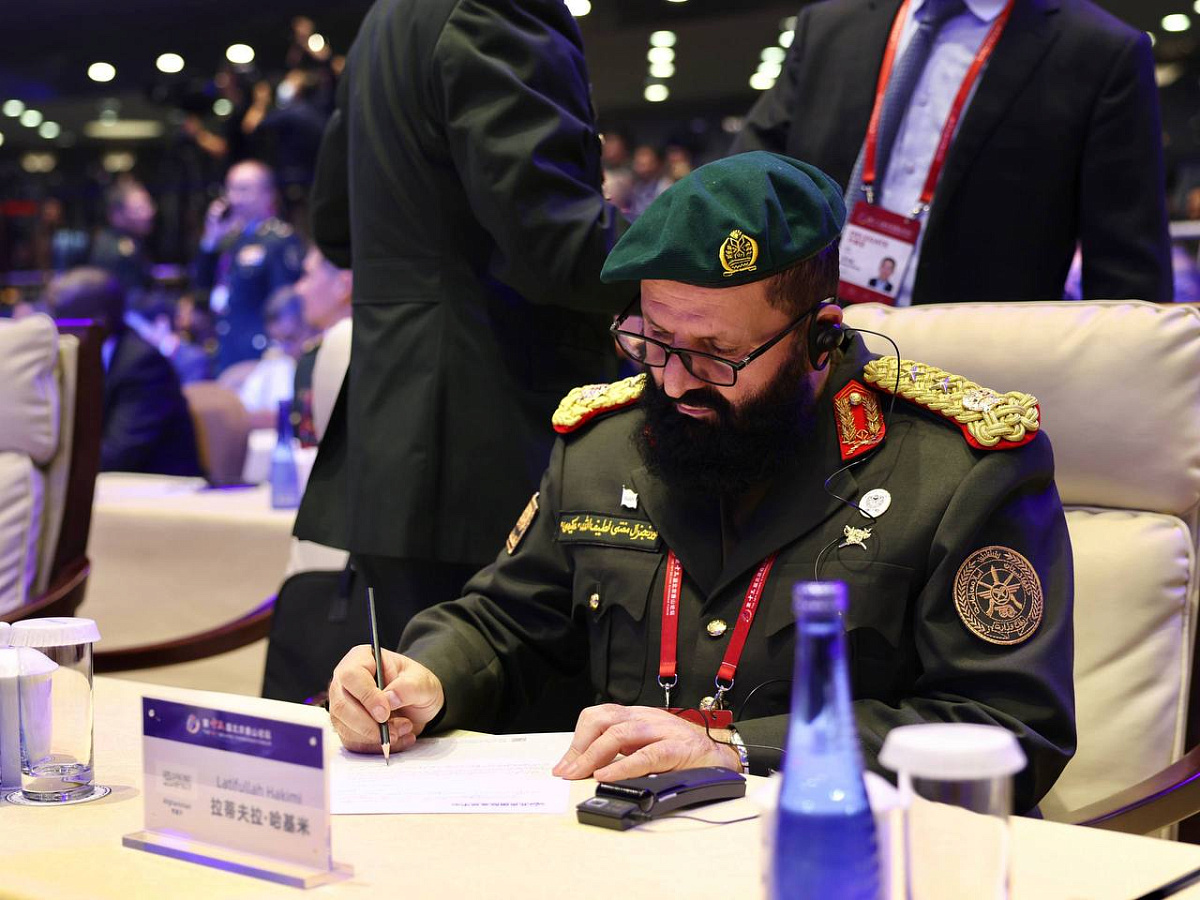
Official representatives from around 100 countries, regions and international organisations are taking part in the event. More than 60 participants in the high-level forum are heads of defence ministries or chiefs of general staff of the armed forces.
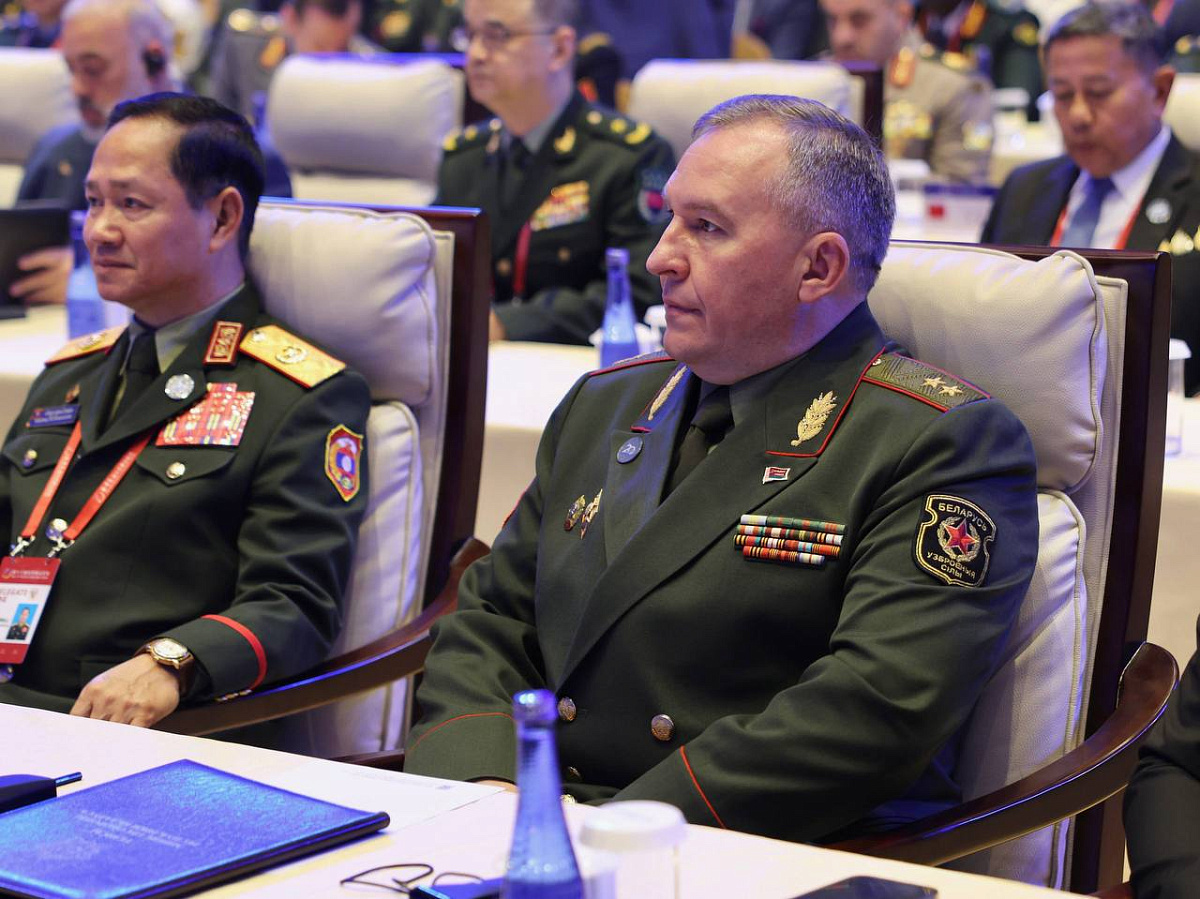
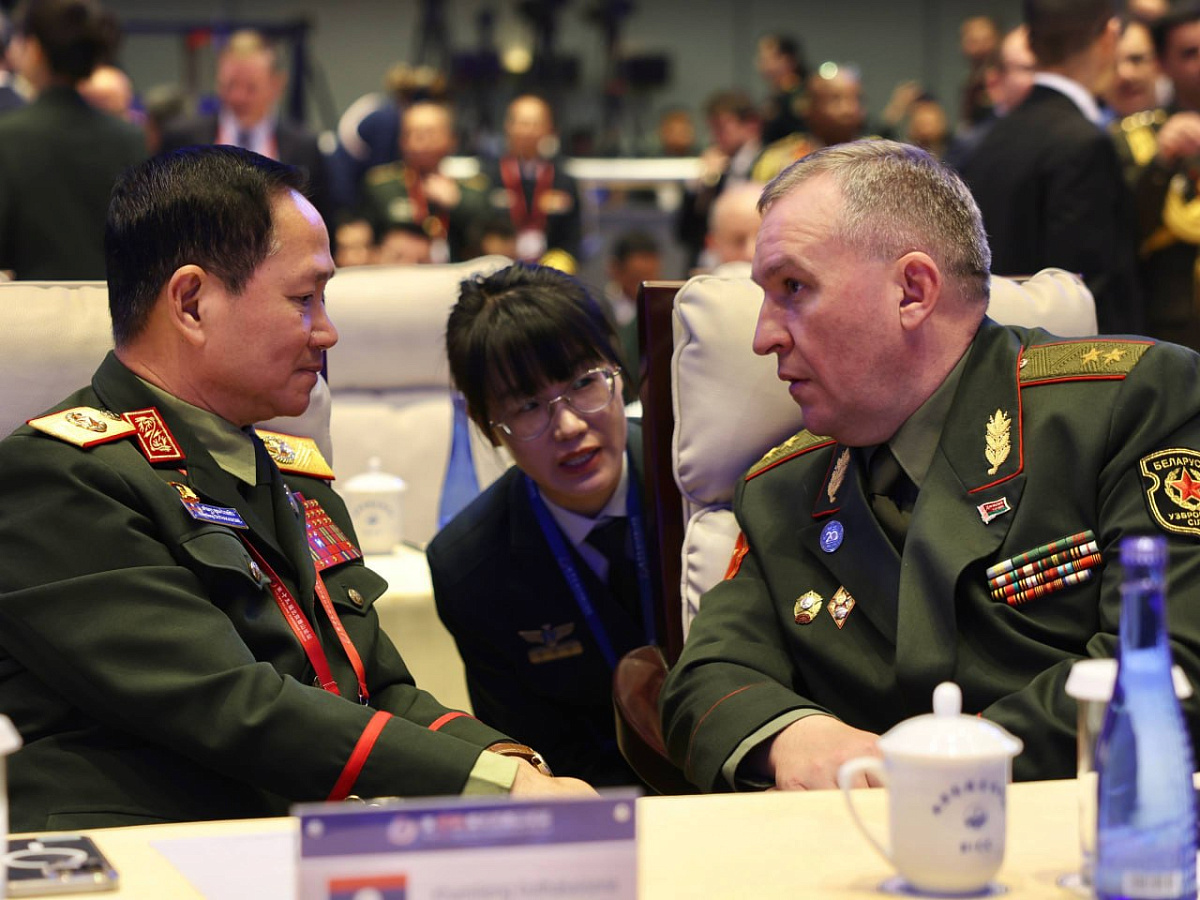
Before taking the seat on the presidium of the 13th Xiangshan International Forum, the Minister of Defence of Belarus held a series of express talks with representatives of around a dozen countries.
As practice shows, some of these contacts will soon develop into official visits.
***
Lieutenant General Viktor Khrenin, Head of the Belarusian Defence Ministry, addressed the participants of the 13th Xiangshan Forum:
Dear ladies and gentlemen,
Twenty years ago, the Beijing Xiangshan Forum was held for the first time on Chinese soil. It would be no exaggeration to say that over this period it has acquired the status of an event eagerly anticipated by official representatives of dozens of countries and international organisations, as well as experts from around the world.
The success of this event is undoubtedly underpinned by tremendous organisational work and China's unfailing hospitality. However, the main reason for the forum's appeal is the professional, open and frank dialogue on security and cooperation that has been established here.
It is a great honour for me to represent the Republic of Belarus here and to share our vision of the challenges facing international security at the present stage.
This year's Xiangshan Forum is taking place at a time of serious challenges. The conflict on the territory of Ukraine continues. The Middle East is engulfed in armed confrontations. Military activity in the Asia-Pacific region is intensifying.
The Arctic is undergoing a gradual process of militarisation.
None of these processes is accidental. They are closely linked to a profound transformation of the global order. Before our eyes, a multipolar international architecture is taking concrete shape, offering new, more balanced and attractive models of development.
Clearly, changes on such a scale could not fail to cause significant turbulence in interstate relations and, consequently, a crisis in the global security system.
The causes of this crisis have repeatedly been the subject of broad discussion, expert debates and high-level negotiations. Perhaps their main conclusion is that a simple but fundamentally important idea is gaining increasing recognition: we need to move away from mutual accusations in favour of seeking compromise.
What, in our view, can be done under the current circumstances to overcome the systemic crisis of the previous security model?
First. We must stop the world from moving towards global confrontation. Military alliances bear particular responsibility in this regard.
They should focus their efforts exclusively on ensuring collective security rather than becoming an instrument for exerting pressure on other states.
Second. International law must be binding on all and must not be subject to arbitrary interpretation.
We too often see the same actions receiving opposite assessments depending on who carries them out.
In one case, an action is described as aggression against a sovereign state, while in another it is presented as the need for armed intervention. In one situation, sanctions are described as unlawful pressure, while in another they are declared necessary and justified.
Such selectivity undermines confidence in the international legal system and significantly limits its ability to resolve disputes peacefully.
And here we must remember that, despite the central role of the United Nations in the system of international relations, its effectiveness depends above all on the political will of each and every Member State.
Third. Particular attention must be paid to the development of new technologies, and common legal and moral rules governing their use must be developed.
The development of lethal autonomous systems, the introduction of artificial intelligence and the use of outer space for confrontation are rapidly increasing the risk of unintended and uncontrolled escalation. This must not be allowed to happen.
Fourth. We should recognise that among the key tasks of modern armed forces is not only the armed defence of the state, but also conflict prevention.
The main condition for stability in international relations is no longer a balance of military power, but shared responsibility and mutual trust.
It is necessary to ensure transparency, the exchange of military information, cooperation between armed forces, and the conduct of joint exercises focused on counter-terrorism and peacekeeping. It is critically important that the full use of established communication mechanisms in crisis situations becomes the norm.
Eighty years ago, in 1946, the first resolutions of the UN General Assembly devoted to international security and disarmament were adopted.
At that time, having emerged from a world war, states were able to formulate and, for the first time on a global scale, put into practice a common determination to prevent another tragedy.
However, the world has changed significantly over the decades that have followed. Today, the international community faces a no less important task: to bring the security system into line with the realities of our time.
The Republic of Belarus is ready to work towards this together with other countries.
Having already put forward the well-known initiative for a Eurasian Charter of Diversity and Multipolarity in the 21st Century, we are deliberately pursuing a course towards creating a sustainable architecture of security and cooperation in a multipolar world.
Discussion of this initiative will continue at the Fourth International Conference on Eurasian Security, which will be held in the capital of Belarus, Minsk, at the beginning of November this year.
We invite everyone who cares about the future of the region and the world as a whole to join this joint effort and share their vision of the future international order in the Eurasian space.
We proceed from the premise that the more states participate in implementing the initiative, the more precise its principles and the more effective its mechanisms will be.
We are also ready to support other proposals aimed at serving the common destiny of humanity.
Dear ladies and gentlemen,
I would like to emphasise that all the initiatives and efforts of the Republic of Belarus on the international stage have one objective — to preserve peace and make security a common asset of all peoples.
Peace begins with dialogue, and security begins with trust. We are responsible for both.
Thank you for your attention.